Entry · Ref HNNGI1OF
Usual Mistakes to Prevent in Interlocking Sidewalk Paving Installation
- Posted
- 2026-10-08
- Last amended
- 2026-10-08
- Account
- @jaredmvry257
Interlocking pavers look straightforward once they are down, yet the craft stays in what you can not see. A sidewalk can appear level and tight on day one, then heave, separate, or collect puddles by the very first springtime if the hidden layers are incorrect. I have rebuilt stylish paths after a single winter due to the fact that the installer skipped 2 wheelbarrows of base stone. I have actually additionally viewed budget projects remain true for fifteen years since the fundamentals were performed with persistence. The difference originates from planning, subgrade discipline, and respect for water.
Why tiny mistakes turn up quickly on walkways
Walkways have lighter lots than driveways, yet they endure much more from foot website traffic patterns, slim geometry, and frequent edges. People step on the exact same strip, snow shovels scratch the same joints, and yard beds lost water toward the course. A quarter inch dip where sprinkler lines go across will telegraph with pavers in a period. On a driveway, tire paths are larger and more foreseeable. On a sidewalk, every weak information is exposed.
Start with a site reviewed, not a shovel
Successful Pathway Paving Setup starts with a truthful take a look at the website. Where does roofing overflow go during a heavy rain, and where will meltwater refreeze in February? Do tree roots lift the existing surface area, and are they from a varieties that will keep pushing? What utilities run near to grade? I flag sprinkler heads and valve boxes, walk after a hose examination, and mark high places I intend to reduce as opposed to bury.
String lines and paint aid, however your eye is the most effective device. Stand at the method and envision walking with an infant stroller or a hand vehicle. Sharp turns can be softened currently with strategy tweaks. A half hour of layout work saves days of nuisance changes later.
Excavation deepness: the top place thrifty expenses you
I experience shallow digs more than any type of other error. For pedestrian sidewalks in moderate freeze areas, I target 7 to 9 inches of excavation from last quality. That enables 4 to 6 inches of compressed base, 1 inch of bed linen sand, and a paver thickness of about 2 3/8 inches. In warm climates with secure dirts you can favor the lower end, but clay and frost need much more. Skipping an inch of base does not sound like much till you understand it is 15 to 20 percent of the structure.
Soil type decides exactly how ruthless you can be. Organic topsoil needs to go, all of it. If you leave dark, mushy pockets under the base, they will certainly resolve when they dry. In expansive clays, I typically add a woven geotextile over the subgrade before base rock, an easy insurance that divides rock from mud and spreads out lots. It is affordable and it works.

Subgrade compaction is not optional
A clean excavation still leaves loosened dirt. Run a plate compactor over the subgrade before the initial rock goes in. If your footprint is tiny and gain access to is tight, a hand meddle is far better than absolutely nothing, but expect even more negotiation. Wetness issues. Dry dirt does not small, it squashes. A light haze brings penalties together and lets the plate do its work. You are aiming for a company, unrelenting subgrade that does not track underfoot.
Choose the best base rock, then portable in lifts
Crushed rock with fines, commonly labeled as 3/4 inch minus or dense graded aggregate, locks up under compaction. Rounded gravel never ever quits moving, so it has no place under interlacing pavers. Install the base in two to three lifts, each about 2 inches loose, after that portable each lift up until home plate modifications tone and the surface area quits rocking. If you require a number, numerous pros refer to 95 to 98 percent of changed Proctor density, however in the area you learn the feeling. A plate that leaves ripples is underpowered or the lift is as well thick.
I ran a tiny team that worked city alleys where gain access to was tight and homeowners were enjoying. We confirmed to doubtful next-door neighbors that the base was limited by dropping a 30 extra pound plate on side from knee elevation. On completed lifts, it jumped. On loose lifts, it bit and stayed. Primitive, yes, but it shut down arguments and kept standards high.
Slopes and water drainage: respect water or rebuild following year
Set a minimal incline of 2 percent away from structures, which is a quarter inch per foot. On a 5 foot large stroll, that means at least 1.25 inches of fall from house side to garden side. Much less, and water sticks around in joints and under the pavers, softening the bed linens and welcoming wintertime heave. Much more, and strolling can really feel tilted, which matters on icy days or with rolling equipment.
If the landscape leaves you no gravity outlet, think about a direct drainpipe at the low side or a drywell that collects and distributes water far from the course. Buried downspout lines that fantasize across your excavation will weaken the base with time. Reroute them currently, or you will certainly discover a trench through your once-flat walkway in two winters.
Edging: quiet equipment that does heavy lifting
Interlock is not magic. Pavers need arrest. Plastic or light weight aluminum side restrictions established on the compressed base, not on the bed linens sand, hold form versus seasonal cycles and foot web traffic. Spike them every 8 to 12 inches with 10 inch spikes, tighter on contours. Neglecting or skimping on bordering is the silent factor patterns sneak and joints open. If you favor a poured concrete visual, place it against the compacted base with sufficient size and rebar where frost is a problem. I stay clear of tight mortared sides for lengthy curves, they crack and after that pinch the field.
Bedding sand: one inch means one inch
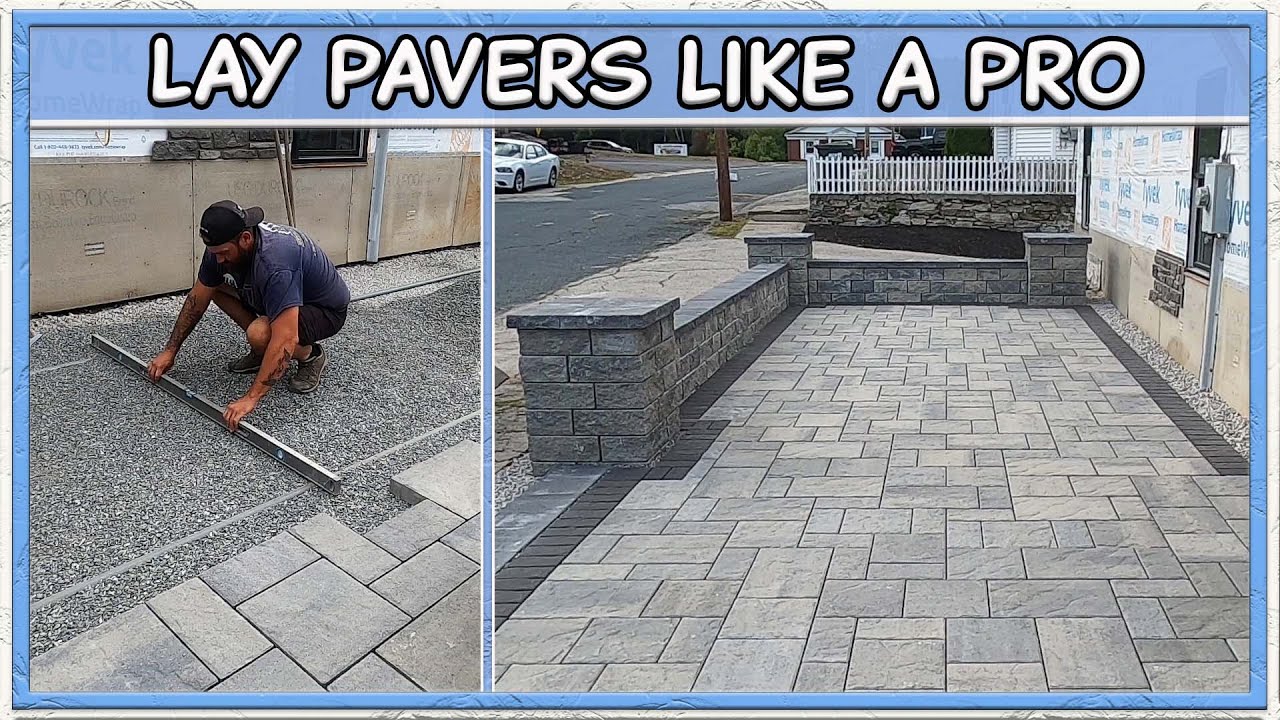
The bedding layer is not a cushion, it is a leveling airplane. Screed a true one inch of sharp concrete sand or ASTM C33 sand over the compacted base. Do not make use of stone dust or screenings as the bedding layer. They hold water, pack as well hard, and can pump under tons, developing into a slurry during hefty rains. The requirement to feather sand to no at shifts lures many installers to lay thicker sand or to float pavers into soft locations. Both choices cause negotiation. If you have to connect to a taken care of height, adjust base elevation, not the bedding.
Pattern alignment and soldier courses
A pathway invites your eye to adhere to the sides. Uneven borders or roaming pattern lines read as sloppy even if the surface is flat. Develop a straight or carefully bending referral line with a string and lay off it. A boundary, in some cases called a soldier training course, needs complete arrest and constant expose. Cutting borders from area pavers can work, but it is very easy to end up with slivers. If your plan presses you toward cuts much less than a 3rd of a paver, transform the pattern or the size. I favor a contrasting boundary shade on long runs because it conceals small variations and produces a framed look.
Cutting easily and managing joint width
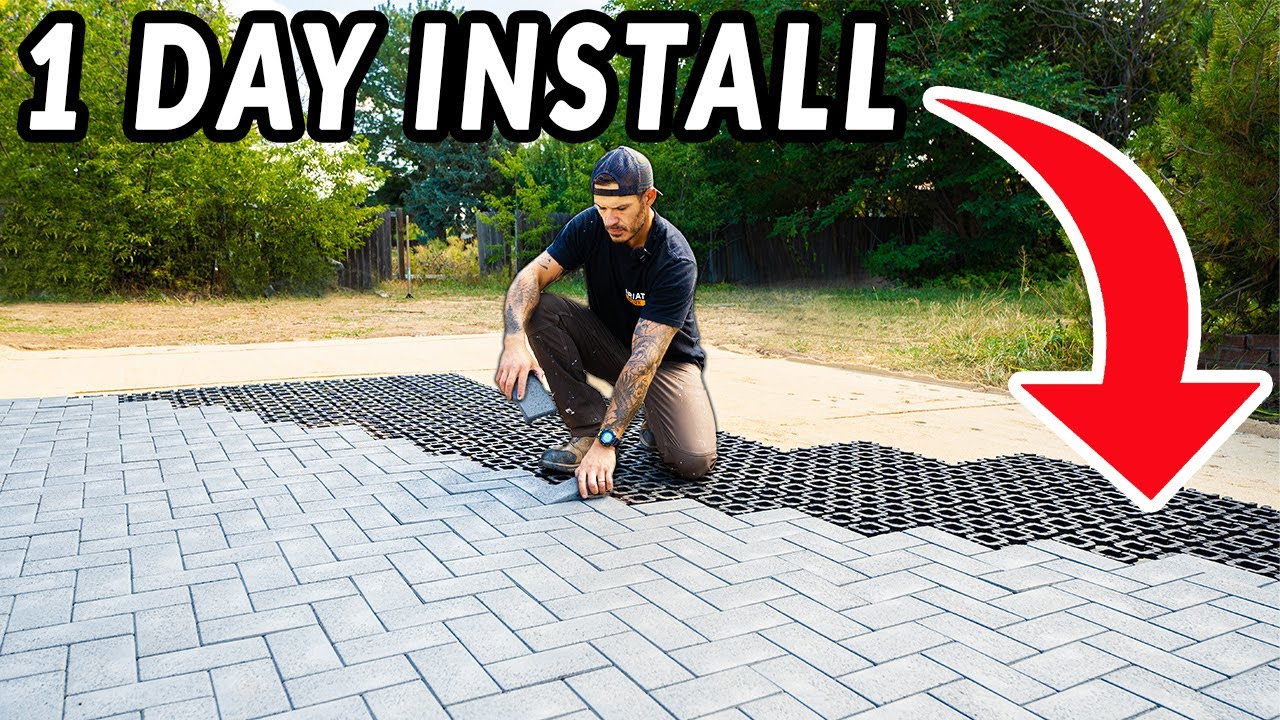
Poor cuts do not simply look bad, they widen joints that after that shed sand and assistance. Make use of a damp saw or a top quality masonry saw with a diamond blade. Dry cutting clouds the website and gets too hot blades, which slows you and deforms the cut. Maintain joint widths tight and consistent, commonly in the range of 1/16 to 1/8 inch for lots of interlocking systems, unless the manufacturer defines otherwise. When joints open to 1/4 inch or more, you invite washout and weed growth.
I have fixed courses where every edge rock was nibbled with a sculpt. Those rough edges accumulate polymeric sand on the surface during activation and leave a permanent haze. A minute saved in reducing expenses an hour in clean up.
Using polymeric sand at the right time, in the ideal way
Polymeric joint sand has actually changed upkeep cycles right, however it punishes rushing. Brush up the surface area extensively prior to filling up joints. Shake pavers with a plate compactor making use of a protective pad to work out sand right into the joints, then top up and portable once more. Just when joints are filled up and the surface is spick-and-span must you turn on with water. Make use of a soft shower, not a jet, in 2 to 3 light passes that totally wet the joints without pooling water. Flooding strikes polymers out and streaks the surface. Straight sunlight and warm pieces accelerate activation, so adjust your timing. Winter requires longer cure times. Maker directions differ, and I follow them closely.
Compaction technique for the field and the finish
Compact the pavers with a plate that has sufficient weight to relocate the area without babbling, and make use of a urethane pad to avoid scuffing. Work in overlapping passes, adjustment instructions, and do not skip the edges. Several beginners compact when, fill sand, and call it done. I like an initial hand down tidy pavers, a very first sand fill, a 2nd compaction, top up, after that a final light pass. The repeated vibration weaves the system with each other and drives sand more deeply.
Beware of over compaction on slim or breakable stone pavers. Some all-natural stones in the 1 to 1.5 inch range need different handling than concrete interlock, including lighter machines or perhaps rubber mallets on tiny spots, and they might not belong on frost energetic dirts without a strengthened base.
Color mixing and lot control
Concrete pavers differ somewhat in between pallets. If you lay one pallet each time, shade banding will reveal across the path. Pull from three pallets simultaneously in a triangular rotation, especially with tumbled or variegated blends. On a long, straight course, that mix is the difference between a crafted, natural look and stripes that yell manufacturing haste.
Weather home windows and season timing
Pavers drop in many conditions, yet the unnoticeable layers despise extremes. Do not screed and lay bed linen sand in the rainfall. It transforms to porridge and you will go after quality all afternoon. Likewise, scorching sunlight dries sand in advance of you and makes joint activation complicated. In freeze period, the subgrade can thaw throughout the day and refreeze in the evening, which breaks bond and leaves a false feeling of density. If you must mount late in the year, enjoy overnight lows and safeguard your deal with insulated coverings over fresh polymeric joints.
Transitions to steps, thresholds, and driveways
Walkways touch structures. Where pavers satisfy an action or a threshold, plan for expansion and drainage. A tiny void with a flexible sealer at a door saddle maintains water out of the house framing. At driveway linkups, mix the paver incline so vehicles crest without scratching, and match the base deepness to the larger lots class of a Driveway Paving Installment. For a passenger lorry driveway on similar dirts, I typically excavate 10 to 12 inches to enable 6 to 8 inches of compacted base, and I enhance base rock quality control. Borrowing driveway techniques for a sidewalk is rarely wasteful. Going the various other means is where failures start.
Accessibility, comfort, and code awareness
A gorgeous walkway that trips your guests is not a success. Keep running slopes comfy. Stay clear of abrupt height modifications between pavers, referred to as lippage. Go landscaping Walnut Creek CA for a flatness resistance around 1/8 inch over 10 feet for pedestrian comfort, tighter at doors. Where you anticipate rolling tons like wheelbarrows or carts, minimize joint widths and choose pavers with diagonal sides that assist wheels as opposed to capturing them. Neighborhood codes may govern rise and run near public pathways, frost protection deepness for surrounding footings, or problems from property lines. Inspect as soon as, mount once.
Planting beds and mulch belong to drainage
Mulch slides downhill in the very first tornado and clogs joints at path sides. Side your beds with a reduced aesthetic or establish the paver edge an inch greater than the surrounding soil and mulch. Where grass fulfill the path, maintain the finished paver elevation a little above grass so yard trimmings do not wash in with every mow. Geotextile fabric under compost near the path minimizes fines movement into joints.
Tools that quietly raise your game
You can lay a little path with a shovel, two pipes, a straight side, a hand tamper, and a saw. A couple of upgrades pay for themselves in time and quality. A compact plate compactor with adequate mass to matter, a urethane pad, multiple-use screed rails, and a damp saw with a clean water supply make a noticeable difference. I maintain a rigid 6 foot degree for fast quality checks out, and a laser when the course goes across complicated surface. A simple rubber paver mat under your knees maintains you from hurrying during design and block placement.
Common faster ways that backfire
Cutting corners looks efficient up until you take another look at the website. I have seen installers skip side restrictions due to the fact that the boundary abutted a garden bed, just to obtain a warranty telephone call when the border crept an inch into the mulch. I have actually seen bedding sand laid thick to speed up progressing, then viewed the pavers clear up all over heavy feet landed. A crew that blows off the surface area prior to polymeric activation conserves 10 minutes and gets an irreversible haze. The pattern repeats: time conserved throughout setup comes out of maintenance later.
Maintenance planning starts at installation
If you specify a light colored paver under a leaf-dropping tree, you will certainly be called about spots every autumn. If you position a walkway in a reduced, shaded location, moss will certainly find it. Choose pavers and sealers with the life of the website in mind, and discuss to the proprietor how to keep joints and clean surfaces. A mild yearly rinse, a top up of joint sand every few years where website traffic is heavy, and a fast weed pull at sides stops pricey overhauls. Leave a single spare box of pavers in the garage in situation a future plumbing professional opens up a trench.
When the task shifts from sidewalk to driveway standards
Some walkways function as service paths for mowers or shipment carts. If you expect anything larger than regular foot traffic, bump the develop. Take into consideration thicker pavers, a more powerful base, and included edge restraint. Obtain directly from Driveway Paving Installation practices for any location that could see a car, also if that is rare. A visitor who parks two wheels on your garden path should not crack your work.
Hiring assistance or going DIY
Many property owners can deal with a small, straight-run pathway if they hold your horses and detail oriented. The very first job will certainly take two times as lengthy as you anticipate. Generate a pro if the plan includes complex curves, stairs, or significant water drainage obstacles. Service providers add value you do not see, like checking out dirt in a shovel inside story and observing the water line that need to be sleeved prior to compaction. If you hire, ask to see a job that goes to least 3 winter seasons old. New job constantly looks good. Age reveals craft.
A compact pre-install checklist
- Confirm incline away from structures at approximately 2 percent and develop recommendation lines.
- Mark and secure energies, watering, and origins to be preserved.
- Excavate to fit base, bed linen, and paver thickness, after that portable subgrade.
- Install edge restraint on the base, not sand, and stake appropriately.
- Screed a true one inch bedding layer with tidy concrete sand.
Troubleshooting indications and what they normally mean
- Wavy surface within a year commonly points to insufficient base deepness or poor compaction in lifts.
- Puddles after light rainfall suggest poor slope or anxieties from thick bed linen sand.
- Border drift right into beds usually indicates missing out on or inadequately secured edge restraint.
- Joint sand loss and weeds reveal broad joints, incorrect polymeric activation, or drain washing throughout the surface.
- Color banding along the size of the course typically suggests pallets were not mixed throughout installation.
A quick instance instance from the field
We developed two sidewalks on the exact same block in late spring. One home owner wanted a quickly, cost-effective refresh over a worked out gravel course. The other accepted an appropriate excavation and base. The very first had 3 inches of compacted base and a charitable bed linen layer to conceal subgrade irregularities. The second had 6 inches of base in compressed lifts, geotextile over a clay subgrade, edging bet on the base, and very carefully triggered polymeric sand. By November, leaves stained both courses just as, yet just one held a puddle where the mail service provider tipped all summertime. After a winter months with 3 freeze thaw cycles and a February rain, the quick work revealed a shallow trough and a gapped border near the bed. The better build still reviewed like a single plane from step to suppress. Very same brand of paver, same pattern, different regard for the hidden layers.
The silent throughline: gauge two times, portable 3 times
Interlocking systems are forgiving if you appreciate the basics. Most failures I see are not unique. They come from shallow digs, loose bases, missing bordering, careless inclines, and hurried sand work. When you deal with a pathway like a system rather than a veneer, it offers for decades. Set the grade for water, different dirts from stone, compact in truthful lifts, constrain the field with correct bordering, keep bed linen sand slim and true, and trigger joints with treatment. Those landscaping Richmond CA are not trade tricks, just great practices you can defend with your body of work three winters months from now.